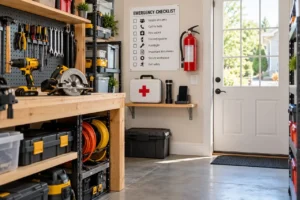
Workshop Emergency Response Checklist for DIYers
A practical workshop emergency response checklist for DIYers covering fires, injuries, electrical problems, chemical hazards, and steps to prevent repeat incidents.

A practical workshop emergency response checklist for DIYers covering fires, injuries, electrical problems, chemical hazards, and steps to prevent repeat incidents.
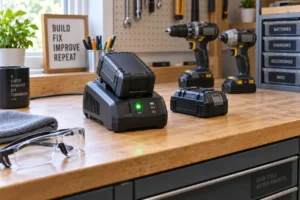
A blinking power tool battery charger light may indicate charging, temperature delay, connection issues, or a fault. Learn what to check safely.
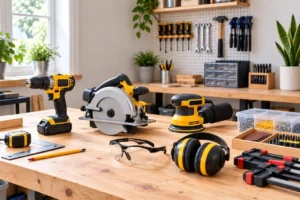
Learn practical power tool safety tips for home workshops, including inspections, PPE, secure workpieces, dust control, and habits that help prevent common DIY mistakes.
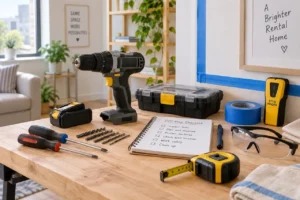
Before using power tools in a rental home, check the tool condition, confirm the project is allowed, protect surfaces, and know when a repair requires professional help.
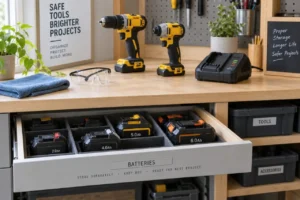
Store cordless tool batteries correctly by controlling temperature, moisture, charge level, and storage conditions to protect battery performance.
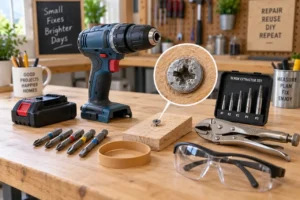
Learn how to remove stripped screws with safer methods, from improving bit grip to using extractors while protecting the surrounding material.
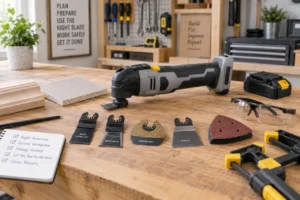
Learn the most common oscillating tool mistakes, including wrong accessories, excessive pressure, poor speed control, and unsafe cutting habits.
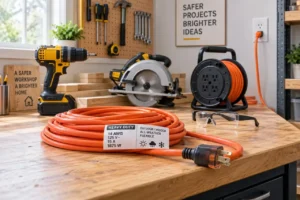
Learn the most common workshop extension cord mistakes, including wrong cord size, excessive length, damaged cords, and unsafe setups that can affect tool performance and safety.

Choose woodworking hearing protection by task, fit, NRR, comfort, and PPE compatibility, with clear guidance on earmuffs, earplugs, and double protection.
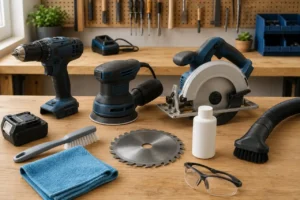
Clean power tools safely by disconnecting power, removing dust with manual-approved methods, wiping housings carefully, and inspecting for damage.
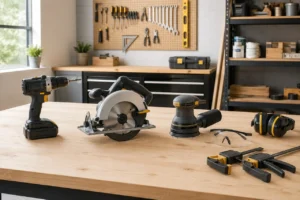
Power tool safety for beginners starts with inspection, proper PPE, secure workpieces, correct accessories, and a controlled, uncluttered workspace.