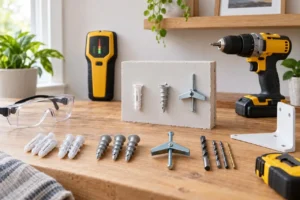
Drywall Anchor Weight Limits: What They Can Actually Hold
Drywall anchor limits depend on anchor type, wall condition, load direction, and leverage. Learn when anchors work—and when framing is the safer choice.

Drywall anchor limits depend on anchor type, wall condition, load direction, and leverage. Learn when anchors work—and when framing is the safer choice.
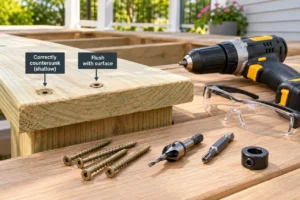
Learn how to countersink deck screws safely, choose the right fastener and pilot hole, control depth, and avoid splits, overdriving, or surface damage.
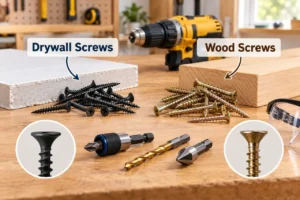
Drywall screws fasten gypsum board; wood screws join wood. Compare heads, threads, coatings, strength, pilot holes, and safe use before you drive.
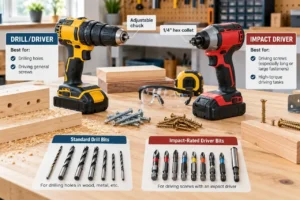
Learn the difference between drill and driver tools, when to use each, how clutches and impacts work, and safer ways to drill holes and drive screws well.
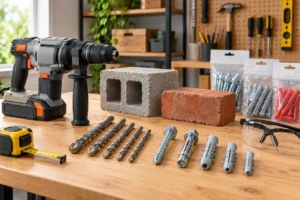
Choose the right masonry anchor by identifying your wall material first. Learn anchor types, drilling basics, installation tips, and safety practices.
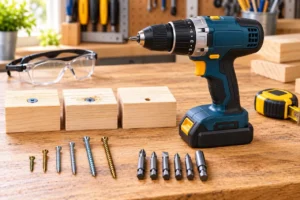
A drill clutch controls how much torque your drill applies when driving screws. Learn how to choose the right setting, test safely, and avoid damaged fasteners.
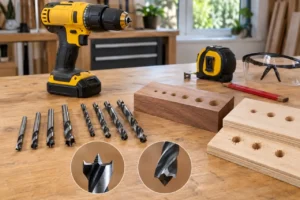
Compare brad point and twist drill bits for woodworking. Learn which bit gives cleaner holes, better accuracy, and when a twist bit is the better choice.
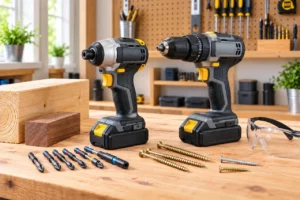
An impact driver is best for long screws, dense materials, and repetitive fastening. Learn when to use one instead of a drill driver.
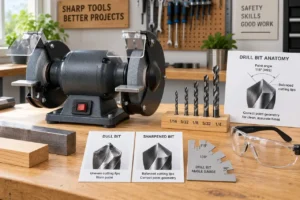
Learn how to sharpen standard HSS twist drill bits with a bench grinder, balance both cutting lips, control heat, and avoid common geometry mistakes.
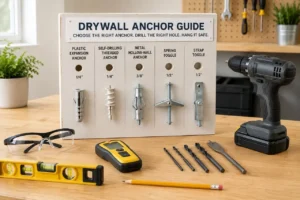
Install drywall anchors correctly by matching the anchor to the wall and load, using the specified hole size, and avoiding hidden utilities.
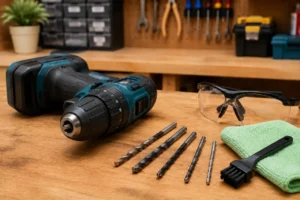
A practical guide to diagnosing drill chuck problems, including slipping bits, stuck chucks, wobble, and safe fixes for common issues.
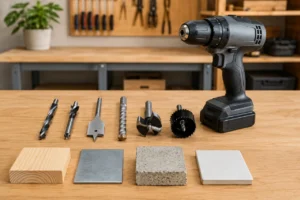
Different drill bits are designed for specific materials and tasks. Learn how twist, wood, masonry, tile, and specialty bits work so you can choose the right bit for each project.
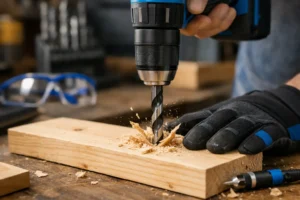
Learn how to prevent wood splitting and breakout when drilling with the right bit, proper clamping, pilot holes, backing boards, and pressure.
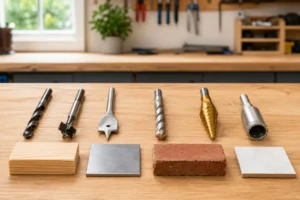
Match drill bits to wood, metal, masonry, tile, glass, and plastic, then choose the right shank, speed, drilling mode, and safer setup for clean holes.
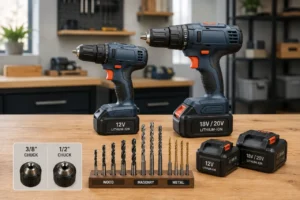
Choose the right cordless drill by matching voltage, chuck size, gearing, clutch, battery platform, ergonomics, and safety features to your DIY work.